
Business Details
Your Trusted Brain Research Partner in Australia
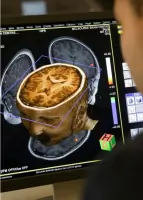
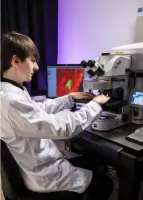
Established over five decades ago, our institute stands as a beacon of innovation in brain and mental health research. With a dedicated team of 50+ research teams conducting 200+ projects, we leverage world-class facilities and strategic partnerships with leading institutions like Austin Health and the University of Melbourne. Our translational approach accelerates scientific discoveries into clinical practice, focusing on conditions such as dementia, epilepsy, and stroke. Through rigorous investigation of neurodegenerative mechanisms and mental health disorders, we develop biomarkers, precision therapies, and diagnostic tools.Our commitment to collaboration extends to industry partners and government bodies, ensuring our breakthroughs in areas like mRNA therapeutics and neuroimaging directly benefit patients. With a vision to advance humanity through brain research, we maintain dual sites in Parkville and Heidelberg to optimize access to clinical expertise and biomedical infrastructure.

Services
Dementia Research
Epilepsy Studies
Mental Health Research
Neurodegeneration Analysis
Stroke Treatment Development
Biomarker Discovery
Neuroimaging
Translational Medicine
Clinical Trials
Research Commercialisation
Highlights and features
- We lead 200+ research projects across five priority areas with 50+ expert teams
- Our dual sites in Melbourne provide unique access to clinical partners
- We pioneer mRNA therapeutics and biomarker development for neurodegenerative diseases
- Our 50-year legacy drives translational impact from lab to patient care
- We maintain strategic partnerships with top medical institutions and industry leaders
Services
Dementia Research
Our institute leads global efforts in dementia research, developing biomarkers for early diagnosis and pioneering mRNA-based therapies. We investigate cellular mechanisms like ferroptosis and zinc regulation to identify novel drug targets. Through the Australian Imaging, Biomarker and Lifestyle Study, we track disease progression and test interventions that could transform patient care and management strategies.
Epilepsy Studies
We conduct cutting-edge research on genetic epilepsy and neurodevelopmental disorders using advanced imaging and animal models. Our work on HCN1 gene variants has led to precision treatment approaches, while developing improved surgical planning techniques for drug-resistant cases. We also explore environmental factors affecting epilepsy and neurodevelopment through multi-omic analyses.
Mental Health Research
Our mental health research focuses on biological mechanisms underlying addiction, schizophrenia, and mood disorders. We investigate sex-specific differences in alcohol use disorder and develop novel treatments for cognitive symptoms in chronic mental illness. Through clinical partnerships, we translate laboratory findings into improved therapies and reduced treatment resistance.
Neurodegeneration Analysis
We study multiple sclerosis, Parkinson's disease, and motor neurone disease to understand inflammation's role in neuron death. Our teams develop neural graft technologies that evade immune rejection and investigate genetic drivers of neurodegenerative conditions. This research informs new therapeutic approaches for progressive neurological disorders affecting thousands of Australians.
Stroke Treatment Development
Our stroke research spans from cellular mechanisms to clinical care improvements. We lead the Australian Stroke Clinical Registry to enhance treatment quality and develop innovative therapies like the MEGASCORES sepsis treatment. Our work includes early rehabilitation strategies, surgical innovations, and cardio-renal syndrome research to improve outcomes for stroke and critical care patients.
People
Professor David Abbott
Group Head
Leading researcher in neurodegenerative diseases with significant contributions to understanding cellular mechanisms in brain disorders.
Dr Alaa Abdul-Ridha
Senior Research Fellow
Specialises in advanced neuroscience techniques, focusing on neuroimaging and biomarker development for neurological conditions.
Professor Scott Ayton
Group Head
Expert in iron metabolism and neurodegeneration, developing diagnostic tools and therapies for brain disorders.
Dr Abdel Ali Belaidi
Senior Research Fellow
Investigates molecular mechanisms in Alzheimer's disease with a focus on improving patient quality of life.
Professor Trevor Kilpatrick
Research Leader
Internationally recognised neuroscientist leading breakthroughs in multiple sclerosis and neuroimmunology research.
Questions
What brain conditions does The Florey research?
We study dementia, epilepsy, mental health disorders, neurodegenerative diseases, and stroke, covering over 20 specific conditions including Alzheimer's, Parkinson's, and schizophrenia.
How does The Florey translate research into treatments?
Our translational research pipeline moves discoveries from lab studies through clinical trials, partnering with hospitals and pharmaceutical companies to develop new therapies.
Can patients participate in The Florey's clinical trials?
Yes, we collaborate with clinical partners like Austin Health to offer trial opportunities for conditions including epilepsy, dementia, and stroke.
How is The Florey funded?
We receive support from government grants, philanthropy, industry partnerships, and collaborations with major health organisations.
What career opportunities exist at The Florey?
We offer research positions, postgraduate studies, and professional roles in a collaborative environment focused on advancing brain science.
How can I support The Florey's research?
You can contribute through donations, fundraising events, or partnering with us as an industry collaborator to advance neurological research.
Videos