Business Details
21 Years
experience
Electrical Safety Services in Beverly Hills, NSW
Founded in 2005 by licensed electrician Matt Lamb, Testing & Tagging (AAT) was established with a mission to ensure workplace electrical safety. With over two decades of industry experience, we specialize in electrical testing, RCD testing, and thermal imaging services across Australia and New Zealand. Our team of 20+ qualified technicians adheres to AS/NZS 3760, AS/NZS 3012, and Model WHS Regulations, providing compliant test tags, clear reporting, and automated retest reminders.We prioritize safety, compliance, and client satisfaction, offering on-site repairs and nationwide coordination for single or multi-site operations. Our rigorous quality procedures, including Seaward testing equipment and SWMS compliance, ensure accurate diagnostics and minimal downtime. AATs commitment to excellence has earned us a reputation for reliability, serving over 23,000 projects and maintaining long-term client relationships.

Services
Electrical Testing
RCD Testing
Thermal Imaging
Construction Site Testing
Retest Reminder Service
Details
- Year established: 2005
Highlights and features
- We have over 20 years of experience in electrical safety compliance.
- Our services meet AS/NZS 3760, AS/NZS 3012, and WHS Regulations.
- Nationwide coverage across Australia and New Zealand.
- We provide on-site repairs to minimize equipment downtime.
- Clear asset-matched reporting with automated retest reminders.
What people say
High-quality service
Systematic and coordinated
Pleased
Continue using
Recommend
Services
Electrical Testing
We inspect and test portable electrical equipment to AS/NZS 3760 standards. Our technicians apply compliant tags, generate asset-matched reports, and ensure WHS compliance. Services reduce shock/fire risks and maintain audit-readiness for Australian businesses.
RCD Testing
Residual Current Device testing verifies rapid disconnection during faults. We use precision instruments to measure trip times, ensuring compliance with AS/NZS 3760 and WHS Regulations to prevent electric shock and fatalities.
Thermal Imaging
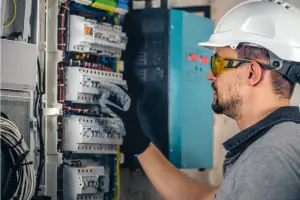
Advanced infrared cameras detect hidden electrical hotspots in switchboards. This preventative maintenance identifies faults early, minimizing fire risks and downtime while aligning with AS 18436-7 standards for industrial clients.
Construction Site Testing
AS/NZS 3012-compliant testing for construction environments. We apply color-coded tags, perform frequent retests, and deliver reports to meet site-specific safety requirements and regulatory audits across temporary installations.
Retest Reminder Service
Automated reminders notify clients 12 weeks before retest deadlines. This ensures continuous compliance with WHS regulations, preventing penalties and maintaining safety standards for electrical equipment and RCDs.
People
Matt Lamb
Founder
Licensed electrician with 10 years at Ausgrid/Energy Australia. Established AAT in 2005 to prioritize workplace electrical safety. Leads a team of 20+ technicians delivering nationwide compliance solutions.
Questions
What is electrical testing and tagging?
It's a safety procedure inspecting and testing 240V/415V equipment to minimize shock risks. WHS legislation requires workplaces to demonstrate compliance through tagged items and asset registers.
How often should equipment be tested?
Intervals vary from 1 month to 5 years based on environment and equipment type. Hostile environments like workshops require 6-monthly testing, while offices may test annually.
Do RCDs require regular testing?
Yes. RCDs must be tested per AS/NZS 3760 to ensure rapid disconnection during faults, complying with WHS Regulations since 2012 for hostile environments.
What records must be kept?
Test tags showing date, ID, and status, plus an asset register documenting all tests. AAT provides these records electronically within 13 business days.
Can AAT repair failed equipment?
Yes. Minor plug, lead, or socket faults are repaired on-site during visits to minimize downtime, with client approval before proceeding.
Is in-house testing cost-effective?
No. Hidden costs like staff wages, equipment, and training often exceed external service costs. AAT’s efficiency reduces disruption and ensures compliance.